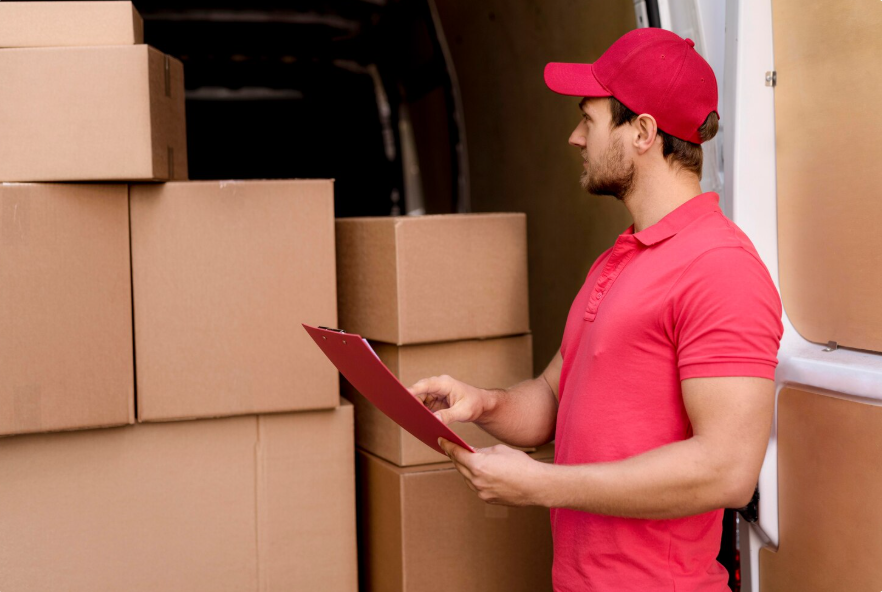
Think about the last thing you ordered online. Maybe it was a new pair of shoes, a coffee mug, or a phone charger. Before it reached your doorstep, it probably traveled hundreds or even thousands of miles. Along the way, it was loaded, unloaded, stacked, and moved several times.
That is why keeping products safe during transport is such a big deal. Good planning and careful packing help everyday items arrive in the same condition they left the warehouse.
Goods On The Move
Every day, millions of products leave factories and warehouses on their way to stores and homes. Some travel by truck, while others cross oceans on ships or fly on cargo planes. No matter how they travel, every item needs protection from bumps, weather, and constant movement.
Imagine carrying a carton of eggs while running down the street. Without care, things can go wrong pretty quickly. Shipping works in much the same way. When products are packed properly from the start, they are much more likely to arrive safely and ready to use.
Packing Matters
Good packing is one of the easiest ways to prevent damage. Strong boxes help protect products, while bubble wrap, foam, or packing paper keeps items from moving around too much. Empty spaces inside a box may seem harmless, but they can let products bounce during the journey.
Clear labels also make a difference. Packages marked with handling instructions are easier for workers to identify and move correctly. Careful loading matters too. Heavy boxes should not crush lighter ones, and stacking products properly helps prevent accidents before the trip even begins.
Role of Shipping Containers
For long-distance transportation, shipping containers play an important role in protecting goods. These large containers hold products securely while they travel by ship, train, or truck. Instead of moving individual boxes over and over, many items stay safely together inside one protected space.
Shipping containers also shield products from rain, strong winds, dust, and rough handling during transport. Whether carrying furniture, clothing, electronics, or food products, they help reduce damage and keep shipments organized. This makes loading, unloading, and tracking goods much more efficient throughout the journey.
Avoiding Delivery Problems
Even with careful planning, shipping can face challenges. Bad weather may delay deliveries, busy roads can slow trucks, and mistakes with paperwork sometimes create unexpected hold-ups. Poor organization can also lead to damaged packages or items being sent to the wrong place.
Businesses lower these risks by checking shipments carefully before they leave, keeping accurate records, and making sure products are packed correctly. A little extra attention at the beginning often saves a lot of time, money, and frustration later.
Smarter Shipping Choices
Safe transportation starts long before a package reaches a customer’s door. Choosing reliable shipping services, allowing enough delivery time, and preparing products carefully all help reduce problems during the trip. Good communication also makes it easier to track shipments and respond quickly if delays happen.
Most people never think about the journey their package has taken, and that is usually a sign everything worked well. Behind every successful delivery is careful planning, smart packing, and people paying attention to the little details.