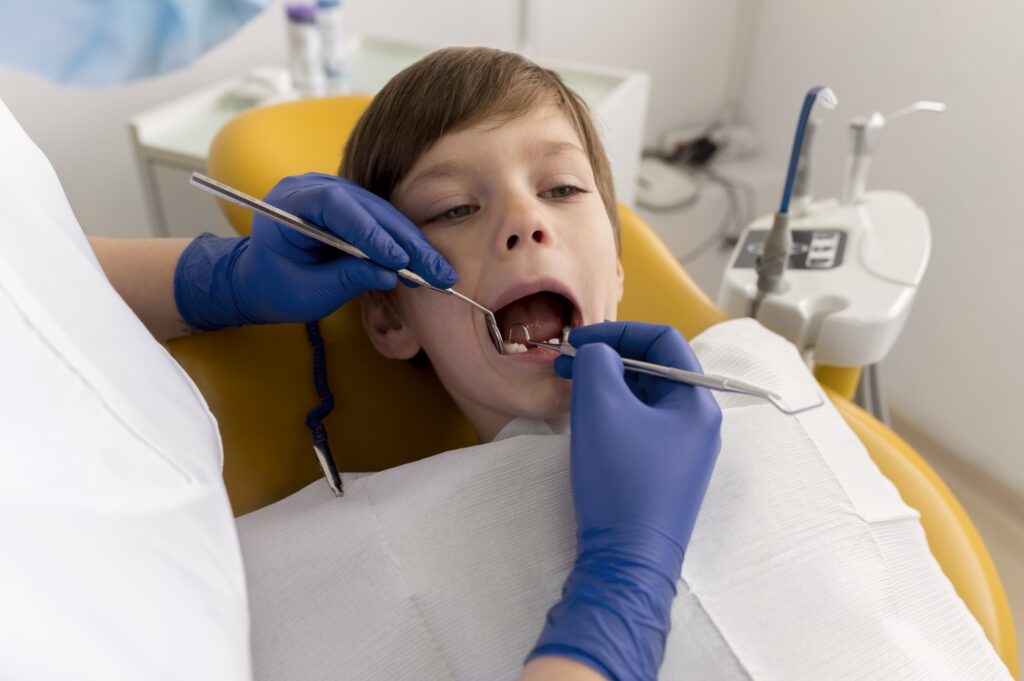
Introduction to Paediatric Dentistry
Children from birth through adolescence need special care in order to maintain and promote their oral health. A special branch of dentistry, paediatric dentistry is dedicated to tackling children’s dental needs, ranging from teething woes to prevention and education. Unlike that of general dentistry, it ensures that early dental care is used to create healthy habits and treat problems before they become a serious issue.
The Importance of Early Oral Health
A child’s oral health is an important part of his or her health. Cavities, gum disease, and trouble chewing or speaking are all risks of poor dental care. The main focus of paediatric dentistry is to ensure the child’s oral health for a lifetime and to ensure regular check-ups and prevent oral diseases.
Children’s Common Dental Problems Can Be Prevented
A key aim of paediatric dentistry is to prevent the following common dental problems:
- Cavities: Dental cavities is a major dental health issue that affects children.
- Tooth Misalignment: Having early assessments can prevent orthodontic problems in the future.
- Gum Infections: Teaching correct brushing and flossing will help prevent gum disease.
Good oral hygiene including regular dental checkups and preventive measures, like fluoride treatments and dental sealants, are important to proper dental health.
Specialized care in paediatric Dentistry
Paediatric dentists have specialised training to manage children’s dental needs and behaviours. Paediatric dentists provide clinics that are designed to be child friendly and make going to the dentist a positive experience.
H3: Customized Solutions for various age groups
- Infants: Dentists offer advice on teething, oral hygiene, and diet.
- For toddlers and Preschoolers: Regular visits can catch early signs of tooth decay or gum disease.
- Older Children: Dentists check the growth of permanent teeth and make an orthodontic evaluation if it is needed.
A paediatric dentist provides personalised treatment, giving each child the best care for their oral health.
Healthy Living, Healthy Sleep, and Healthy Practices
Prevention is a key part of paediatric dentistry, with children being taught to look after their teeth and gums at home, and the provision of professional treatment to maintain good oral health.
Fluoride Treatments
Fluoride makes the enamel stronger and decreases the likelihood of cavities. Children with developing teeth will particularly benefit from regular applications at dental appointments.
Dental Sealants
Sealants are a thin coating that is placed on the chewing surfaces of molars to help stop cavities from forming in difficult-to-reach spots. They work especially well for kids who are prone to cavities.
Education and Habit Formation
Paediatric dentists will teach parents and kids how to brush and floss their teeth properly and encourage them to cut down on sugary snacks and beverages. The habits that are developed early in life last a lifetime.
Creating a Child-Friendly Environment:
One of the specialties of paediatric dentistry is to make the environment pleasant and relaxed for children. Clinics decorate their offices with color, fun, and sometimes even toys or videos to make dental visits more fun. These can be employed by a Bellevue dentist, for instance, to make young patients feel comfortable from their first footstep into the dental chair.
The Value of Positive Early Experiences is Highlighted
First dental visits can have a lifelong impact on how a child feels about visiting the dentist. Building trust and confidence helps put fears to rest and means that children are more likely to keep going to the dentist as they get older.
The Benefits of Paediatric Dentistry for the Long Term
Early oral care means oral care for children, which provides many long-term benefits. These include:
- A reduced risk of cavities and gum disease.
- Increased self-confidence and a healthy smile.
- Reduce dental treatment costs by avoiding problems in the early stages.
Regular visits will allow dentists to keep track of growth and development and put them at ease if there are any concerns that arise before it becomes a big issue.
Selecting the appropriate Pediatric Dentist
Consider factors such as the dentist’s qualifications, experience, and the clinic’s environment when choosing a paediatric dentist. Nuffield Dental clinics are known for their child-focused experience, making them a great place to receive care for children of all ages.
Conclusion
The role of paediatric dentistry in establishing an oral health foundation for lifelong health is very important. Starting early care can lead to healthy smiles for years to come, as preventive measures such as fluoride or sealants can help protect the teeth while providing a positive dental experience. Clinics are great at providing a supportive and friendly environment for the children, and ensuring they are looked after well. Taking care of your child’s smile now is the first step to helping them feel confident and healthy in the future.
Frequently Asked Questions regarding Paediatric Dentistry
At what Age Should my Child get his/her First Dental Appointment?
The American Academy of Paediatric Dentistry suggests that your child’s first visit with the dentist should take place by his or her first birthday, or before the first tooth comes into the mouth.
Why is Fluoride Important to Children’s Teeth?
Fluoride makes teeth resistant to decay. Growing children should have regular fluoride treatments at Dental appointments.
How Many Times Should my Child see the Dentist?
Regular dental visits are recommended every 6 months to check the mouth and prevent tooth decay with fluoride or sealants.
How is Paediatric Dentistry Different from Regular Dentistry?
A paediatric dentist specializes in the dental care of children, offering age-appropriate treatment, child-friendly settings, and customized care for children.