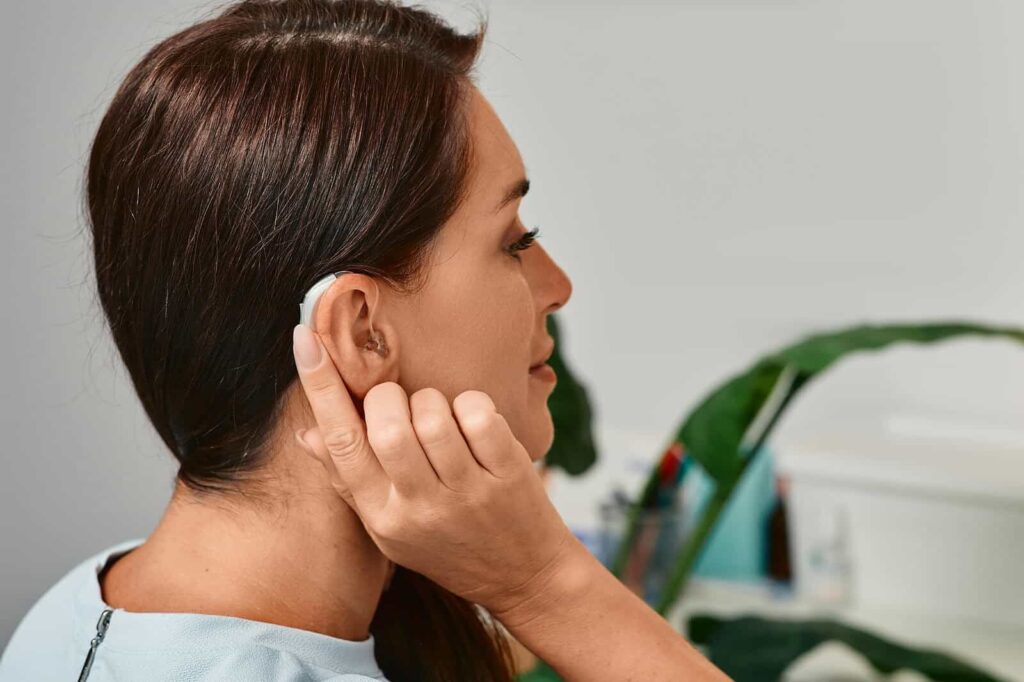
Most people don’t realize that they are losing their hearing. It slowly but surely enters, it’s in the words for some, in the sentences for others, until it is heard more than it’s fun to be there. When a person actually visits an audiologist, they’ve likely been suffering from the problem quietly for many years.
That’s the one thing that no one will admire. Hearing aids in Cape Town have turned from a last resort for the people of the Mother City to a first and sensible choice. The ‘why’ is more interesting than the usual ‘why’ explanation.
The Brain Will get Tired First, before the Muscles
It’s a typical situation that audiologists see. Individuals who believe the issue is not serious. Their audiogram is different the next day. The brain replaces the progressive hearing loss with context, memory, and lots of hard work. This can happen, but for a limited period of time. It consumes mental energy, though.
They get fatigued from light conversation that ought to be enjoyable. They blame stress. They blame age. In reality, it is because of strain on the ears, and virtually no one ever knows until they do get tested.
Cape Town’s Wind Issue
It is an urban-specific one and not as prevalent as it is in other areas of hearing care. Locals refer to this southeaster or Cape Doctor wind as the wind, and it has a serious effect on older or not-fitting hearing devices. The wind’s noise is picked up directly by the microphone, and there’s more noise outdoors than benefits.
People buy aides, try them out in the promenade or on the street in a market, but get frustrated and never wear them again. The technology and engineering of current devices are more effective at addressing directional wind noise as compared to previous designs. But with hearing aids in Cape Town, it’s crucial that it’s fitted by someone who has an understanding of the area and not just a chart of statistics.
If you don’t finish on time, it will Become More Difficult
This is because the majority of people have never heard of a process known as auditory deprivation, yet it has a lot to do with it. When there is too little input to the auditory nerve (unresolved hearing loss), the brain starts to become less adept at listening to speech without any sound.
As well as hearing loss. Some people wait years before getting help, who will often have a more difficult time with these aspects of articulation than their audiogram indicates. The brain and ears are co-workers. If the signal is cut off, then both suffer. There is something left to be done; early fitting always has a better long-term outcome. It’s not magic; it’s because of the brain.
The Stigma Is Outdated
Individuals still envision the sizeable beige machine that their grandparents wore. This picture is over 40 years old. When using in normal conversation, the receiver-in-canal type isn’t noticeable. Others lie completely within the ear. Hence, the current models are usually used as wireless earphones as well.
They play music on phones, connect to televisions, and control them using an app, which is a common practice among younger Cape Town residents. They appear just like any other person with ear buds on at a Sea Point coffee shop. Most practical objections have become moot. The psychological one just takes a longer time to change.
The First Few Weeks are the Toughest
The transition to wearing new shoes is the biggest surprise for most new wearers. People don’t get sound the way they want. Returns are overwhelming. A cup will ring sharply when set on a table. Air conditioning starts to intrude. It’s because the brain does not get used to the absence of those sounds, and it’s not yet accustomed to inhibiting them.
This stage may last for a couple of weeks, and patience is a must. One of the determining things that influences patients’ outcomes in the long-term is proper follow-up, which is usually the first couple of weeks and approximately six weeks. The fitting is just the start.
Conclusion
People don’t know that they have hearing loss until it is loud enough to cause the problem, and that is what makes hearing loss so harmful when it happens. It is not at the regular hearing discussion — it should be. New hearing aids in Cape Town have made significant steps in clinical and technological developments, and the previous objections have been lifted. If you have been postponing till tomorrow, it’s often the most expensive option you have.